 ENG
ENG
 INA
INA
Udayana University Community Service Team Hosts Outreach Event on Water Chemistry and Endemic Microbes of Angseri to Support Science-Based Wellness Tourism
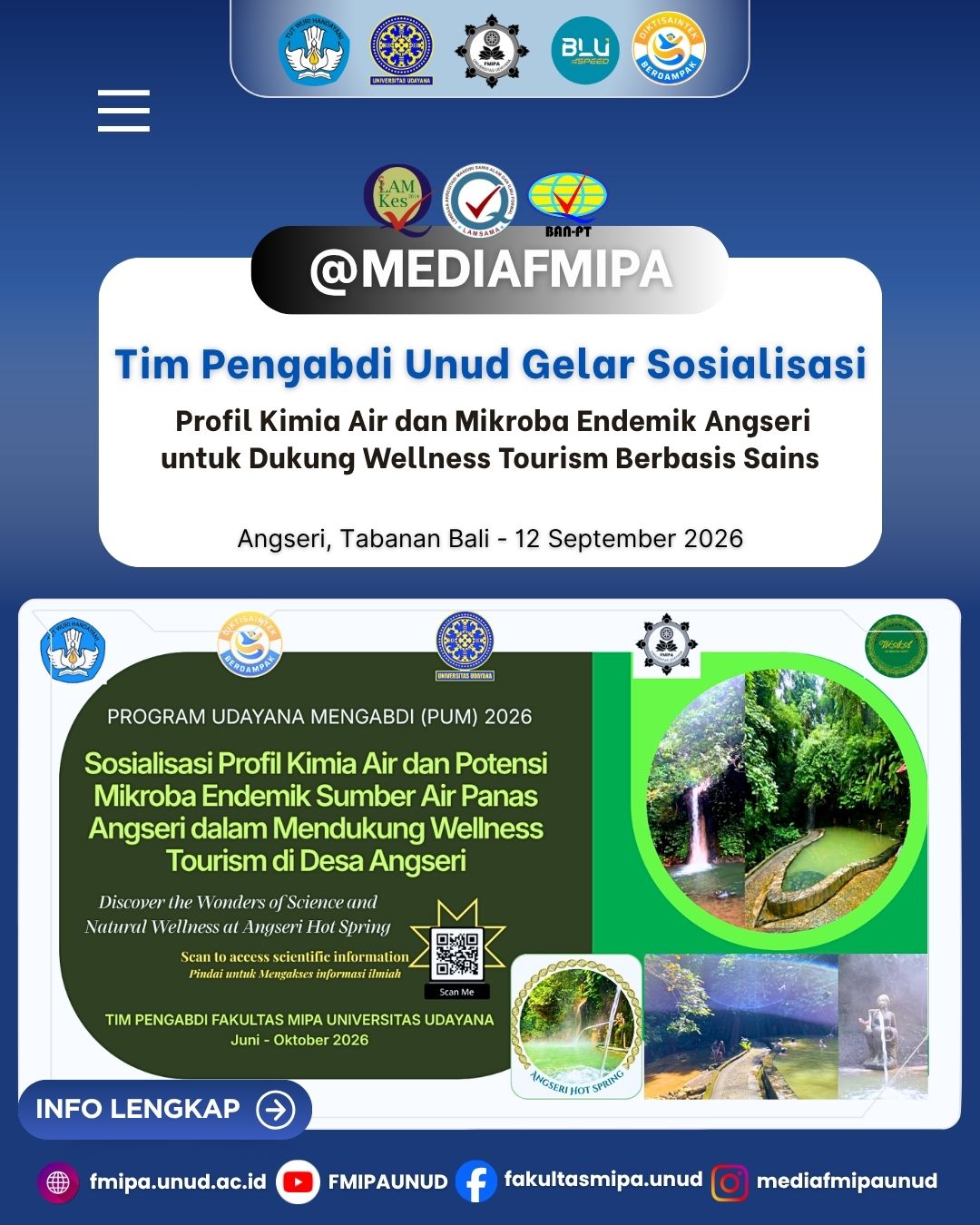
ANGSERI, TABANAN, BALI. Indonesia—and Bali in particular—possesses natural resources in the form of geothermal hot springs that are popular tourist destinations. However, their utilization has thus far been dominated by conventional recreational activities. In reality, the area holds immense potential for development into a wellness tourism and scientific tourism destination.
Efforts to optimize this potential have been hindered by a lack of scientific data regarding the water's chemical profile and the area's endemic microbial biodiversity—elements that offer educational value to visitors.
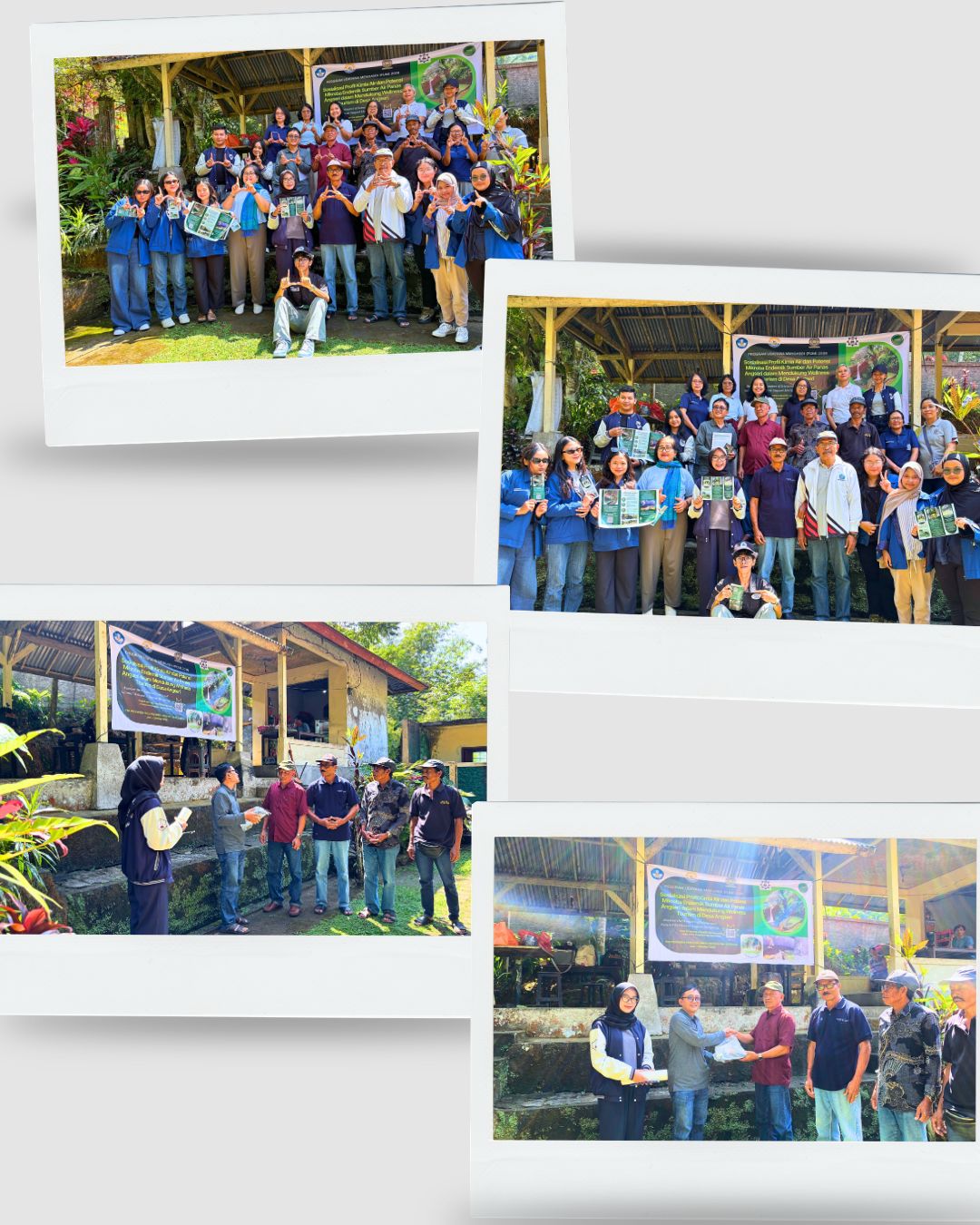
To address this challenge, a team from the Faculty of Mathematics and Natural Sciences at Udayana University—part of the 2026 *Udayana Mengabdi* (Udayana Serves) program and led by Dr. I Nengah Wirajana—held an event titled "Dissemination of the Chemical Profile and Endemic Microbial Potential of Angseri Hot Springs to Support Wellness Tourism in Angseri Village." The event took place on Saturday, September 12, 2026, at the Angseri Nature Tourism site in Angseri Village, Baturiti District, Tabanan Regency.
The activity aimed to disseminate research findings on geochemistry and the biotechnological potential of Angseri’s thermophilic microbes, serving as a means to strengthen the destination's image through evidence-based tourism.
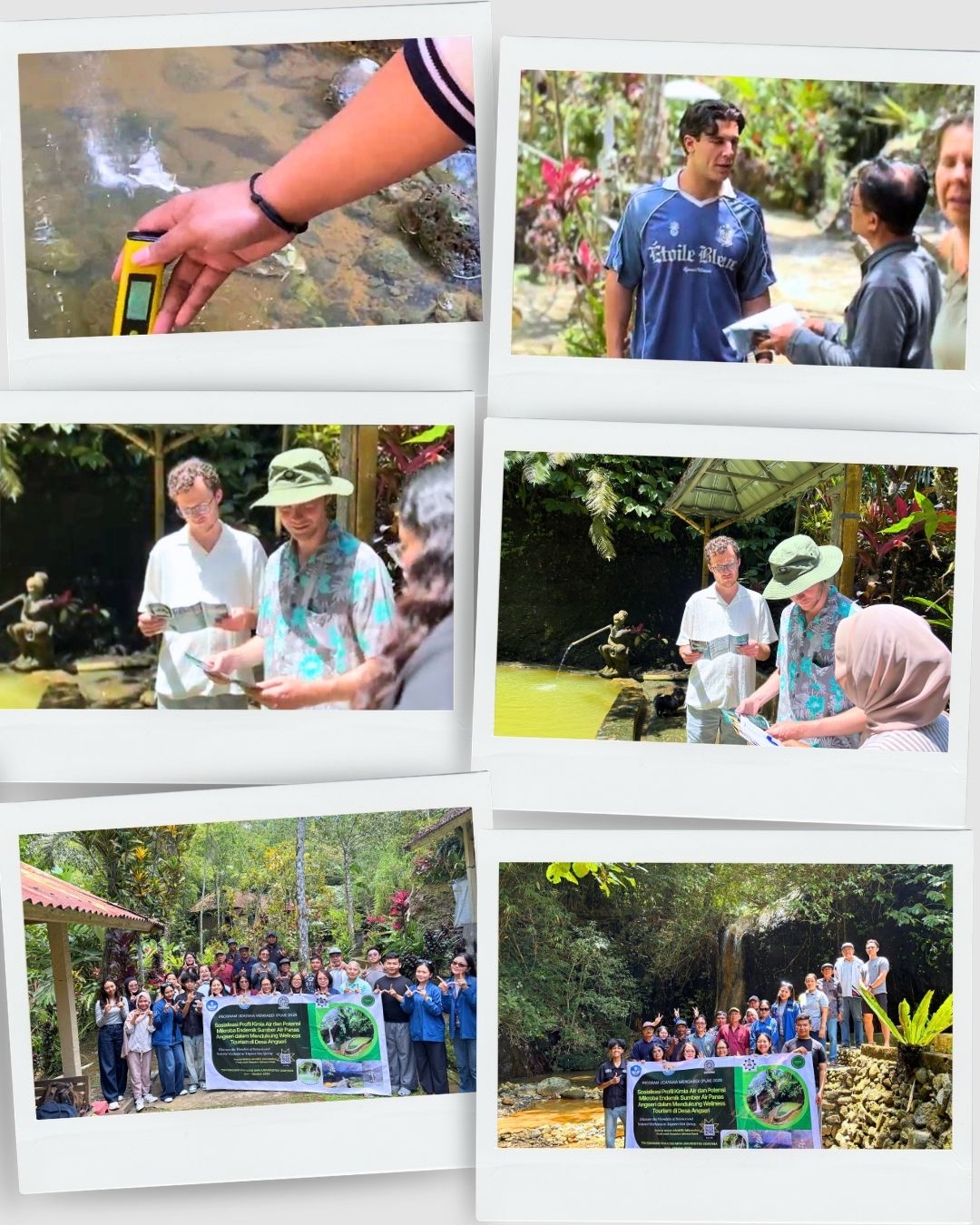
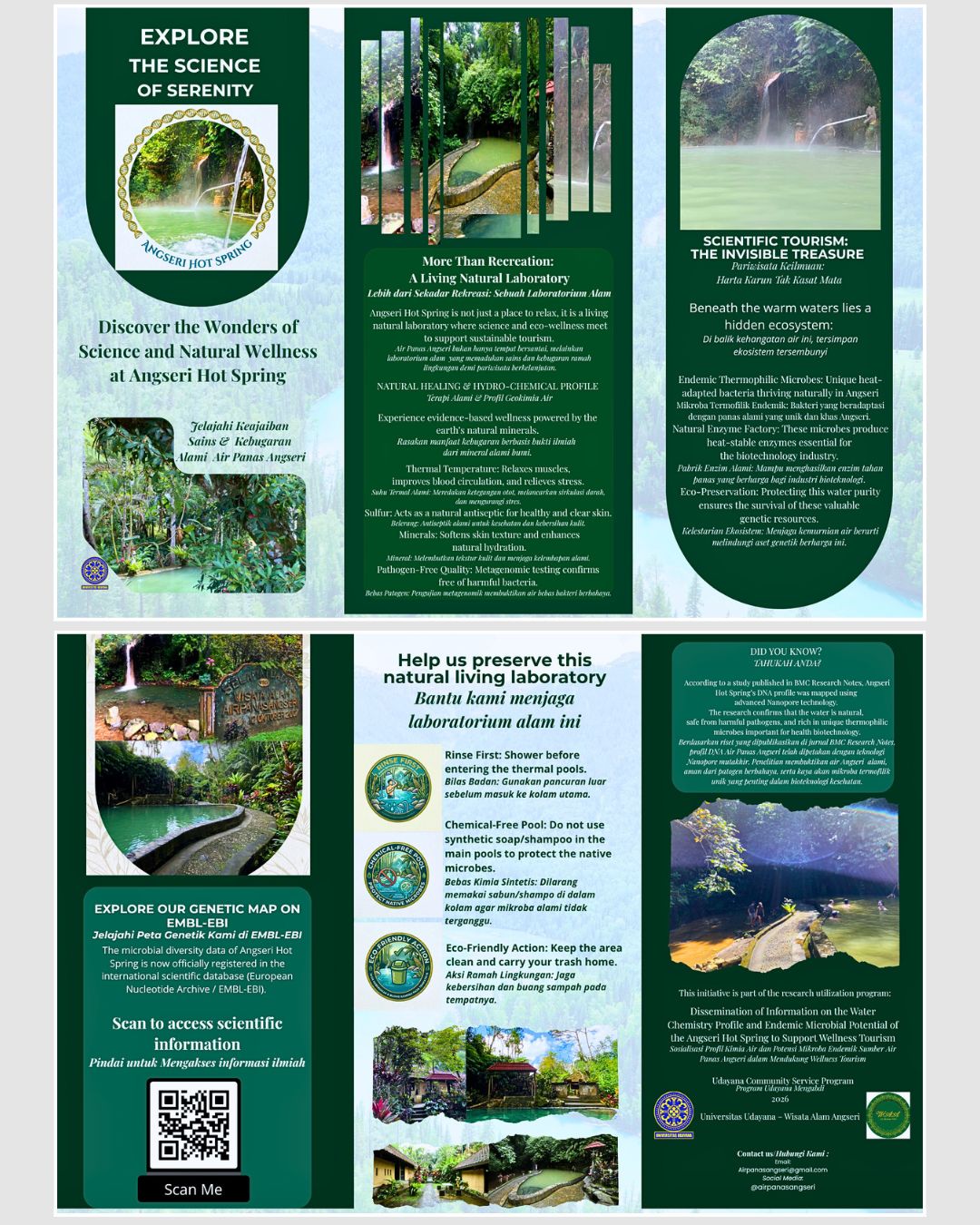
During the event, the academic team distributed educational brochures and engaged directly with domestic and international tourists, explaining the area's geochemical and microbial potential. The brochures featured QR codes that visitors could scan to access comprehensive review articles on the hot springs' potential, research publications in reputable international journals, and the Angseri Hot Spring Metagenome dataset officially registered in the European Nucleotide Archive (ENA) international database.
These QR codes will also be incorporated into permanent interactive information boards within the tourism area. The data on the digital portal is dynamic and will be updated regularly as the Udayana University research team conducts further studies.
Furthermore, this program is designed to align with the Sustainable Development Goals (SDGs). Integrating research into tourism management contributes to SDG 3 (Good Health and Well-being) by utilizing hot spring water for holistic health; SDG 8 (Decent Work and Economic Growth) by enhancing local economic value through science-based approaches; and SDG 15 (Life on Land) through education on preventing anthropogenic contamination to preserve the integrity of natural microbial ecosystems.
Through this community engagement initiative, scientific research findings from the university have been transformed into added value for the tourism sector. The Angseri Nature Tourism Area is now evolving beyond a mere nature recreation site into a natural laboratory that supports sustainable, science-based wellness tourism.
Gallery
UDAYANA UNIVERSITY