 ENG
 INA
Biology Department, Faculty of Mathematics and Natural Sciences, Udayana University (FMIPA UNUD), Supports the Repatriation of the Bali Myna through Habitat Suitability Studies
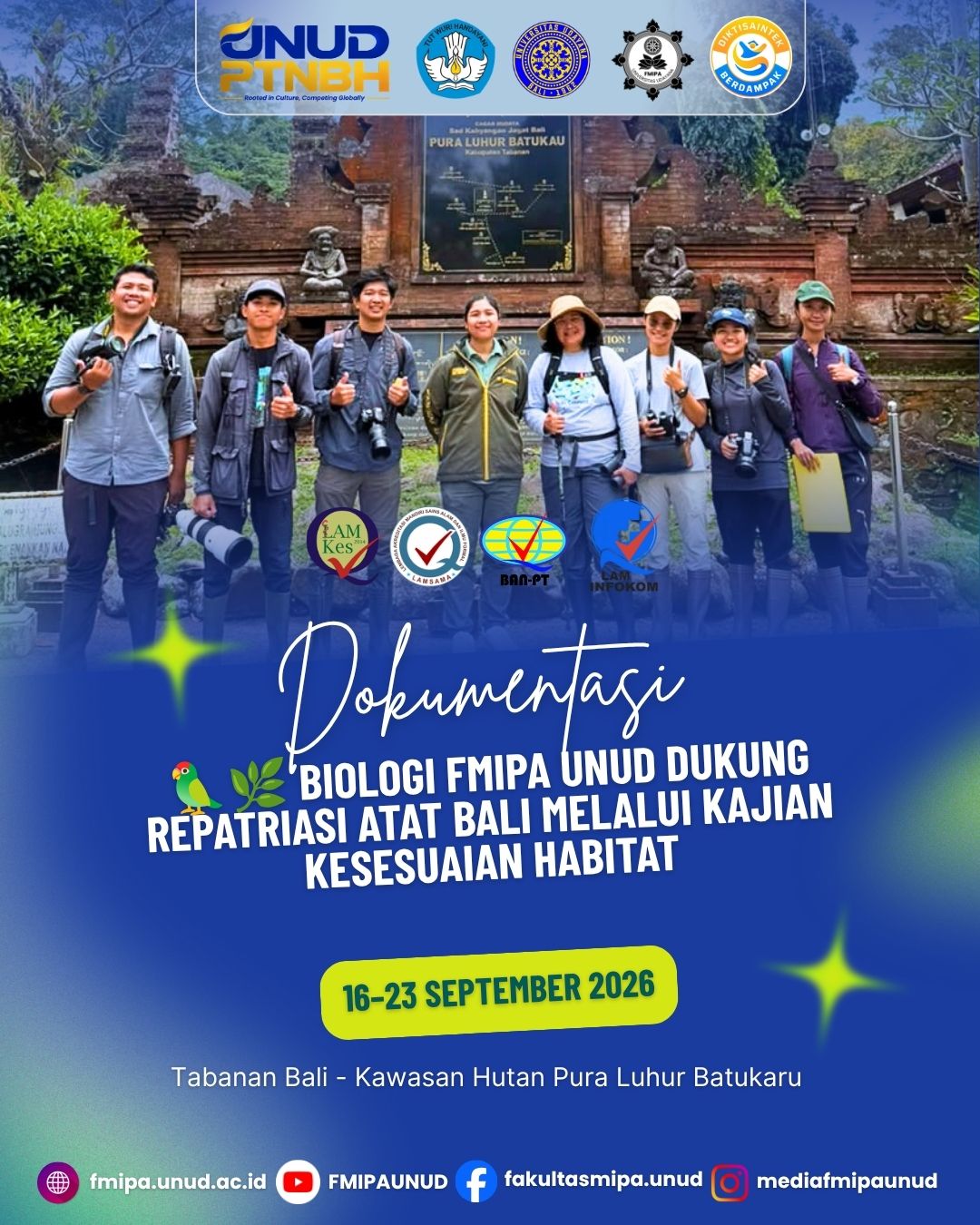
Tabanan, Bali – The Biology Study Program at the Faculty of Mathematics and Natural Sciences, Udayana University (FMIPA Unud), in collaboration with Bali Safari, conducted a habitat assessment in the Pura Luhur Batukaru forest area from September 16–23, 2026. This activity is part of the preparations for a repatriation and phased release (soft release) program for the Mitchell’s Lorikeet—locally known as "Atat Bali"—back into its natural habitat. The collaboration serves as an implementation of the Cooperation Agreement (PKS) between FMIPA Udayana University and Taman Safari Indonesia, aimed at supporting research, education, and biodiversity conservation initiatives.
The *Atat Bali* is a species of parrot endemic to Bali and holds significant value for the island's biodiversity conservation efforts. The species faces various pressures, primarily due to habitat loss and degradation, as well as the illegal wildlife trade. Consequently, conservation efforts for the "Atat Bali" extend beyond protecting individual birds and captive breeding (ex-situ conservation) to include habitat restoration and the reintroduction of individuals into their natural environment through a repatriation program. In this context, assessing the ecological condition of the habitat is a crucial step to ensure that the selected site can meet the ecological requirements necessary for the long-term survival of an "Atat Bali" population.
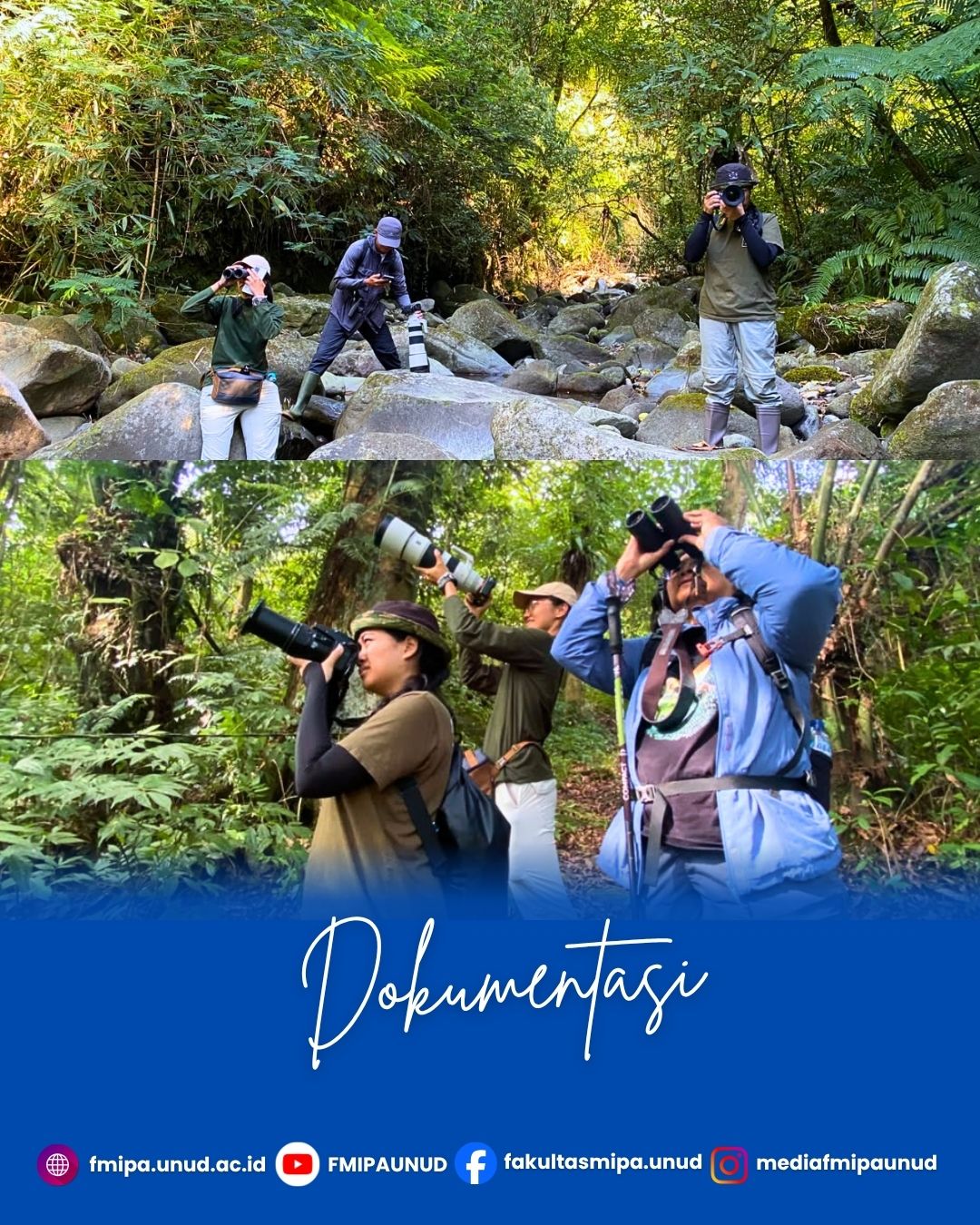
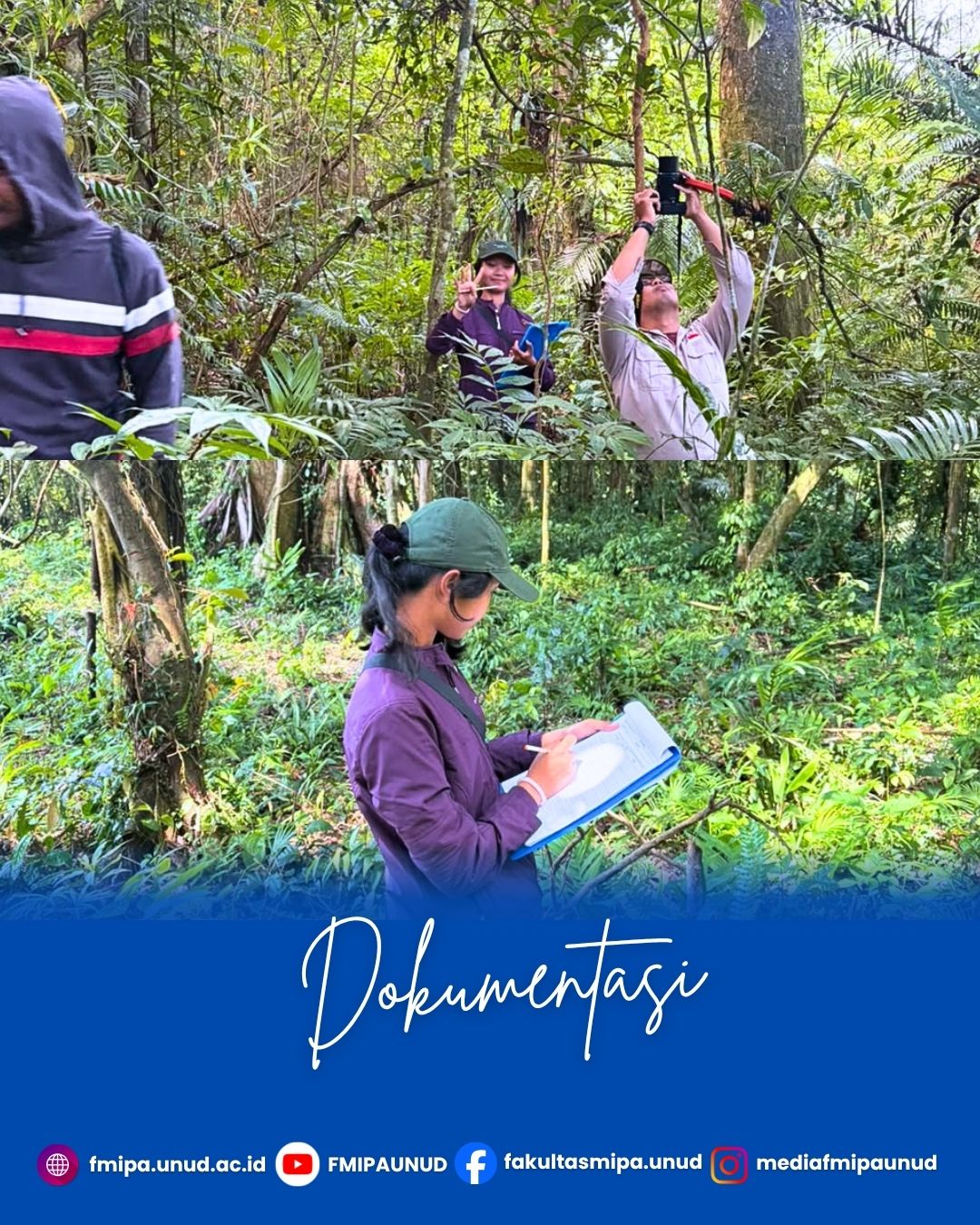
The assessment, carried out by the research team from the FMIPA Unud Biology Study Program, examined habitat characteristics, vegetation composition and structure, the availability of potential food sources, and various environmental parameters that influence the suitability of the habitat for the "Atat Bali". The findings are expected to provide a scientific basis for determining the site's viability for release, while also serving as a reference for developing habitat management strategies and post-release monitoring protocols. The involvement of the Biology Study Program at the Faculty of Mathematics and Natural Sciences, Udayana University (FMIPA Unud), in this initiative represents a contribution from the academic sector toward the conservation of Bali’s endemic wildlife through a scientific approach and multi-stakeholder collaboration. This synergy between academia and conservation organizations—in this case, Bali Safari—is expected to strengthen efforts to repatriate the Bali Starling (Atat Bali). The goal extends beyond the mere release of individual birds; it also focuses on fostering habitat conditions that support their adaptation, long-term survival, and the successful establishment of a population in the wild.
Gallery

UDAYANA UNIVERSITY